

Belgard Master Craftsman
|
BBB Accredited
|
Licensed & Insured
|
Financing Available
|
5 Star Google Company
|
Belgard Master Craftsman | BBB Accredited | Licensed & Insured | Financing Available | 5 Star Google Company |
Built for Pressure, Water and Time
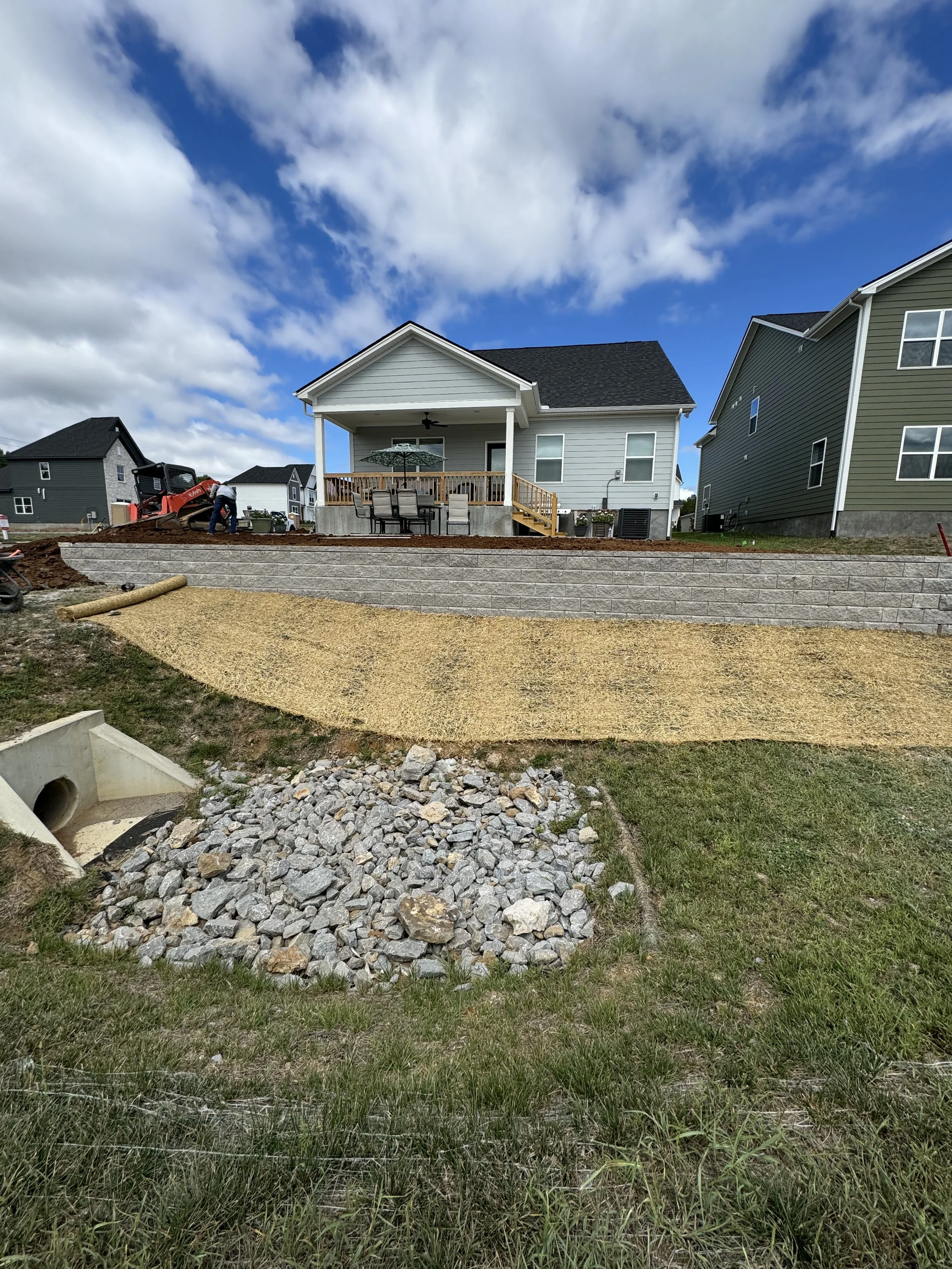
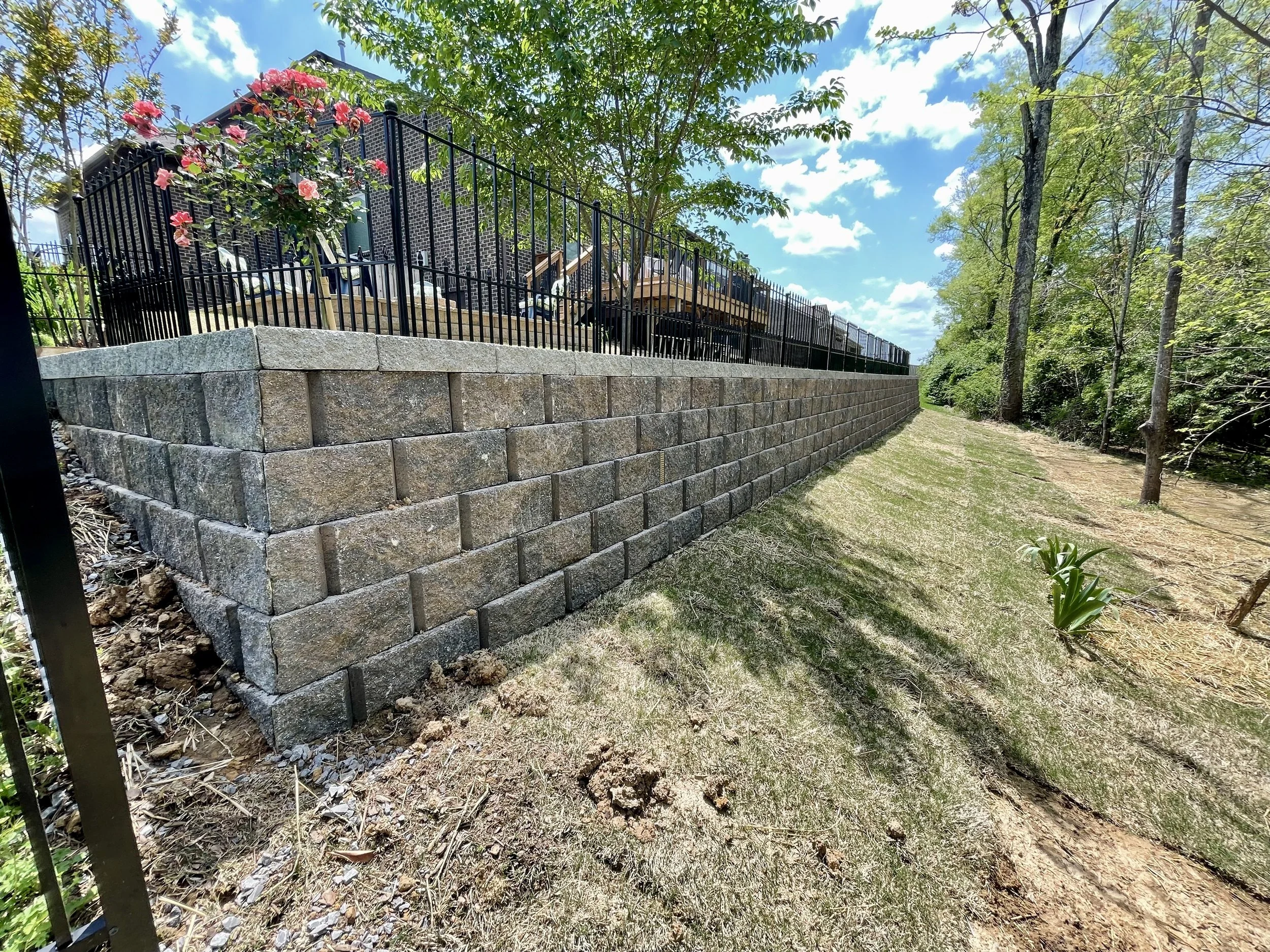
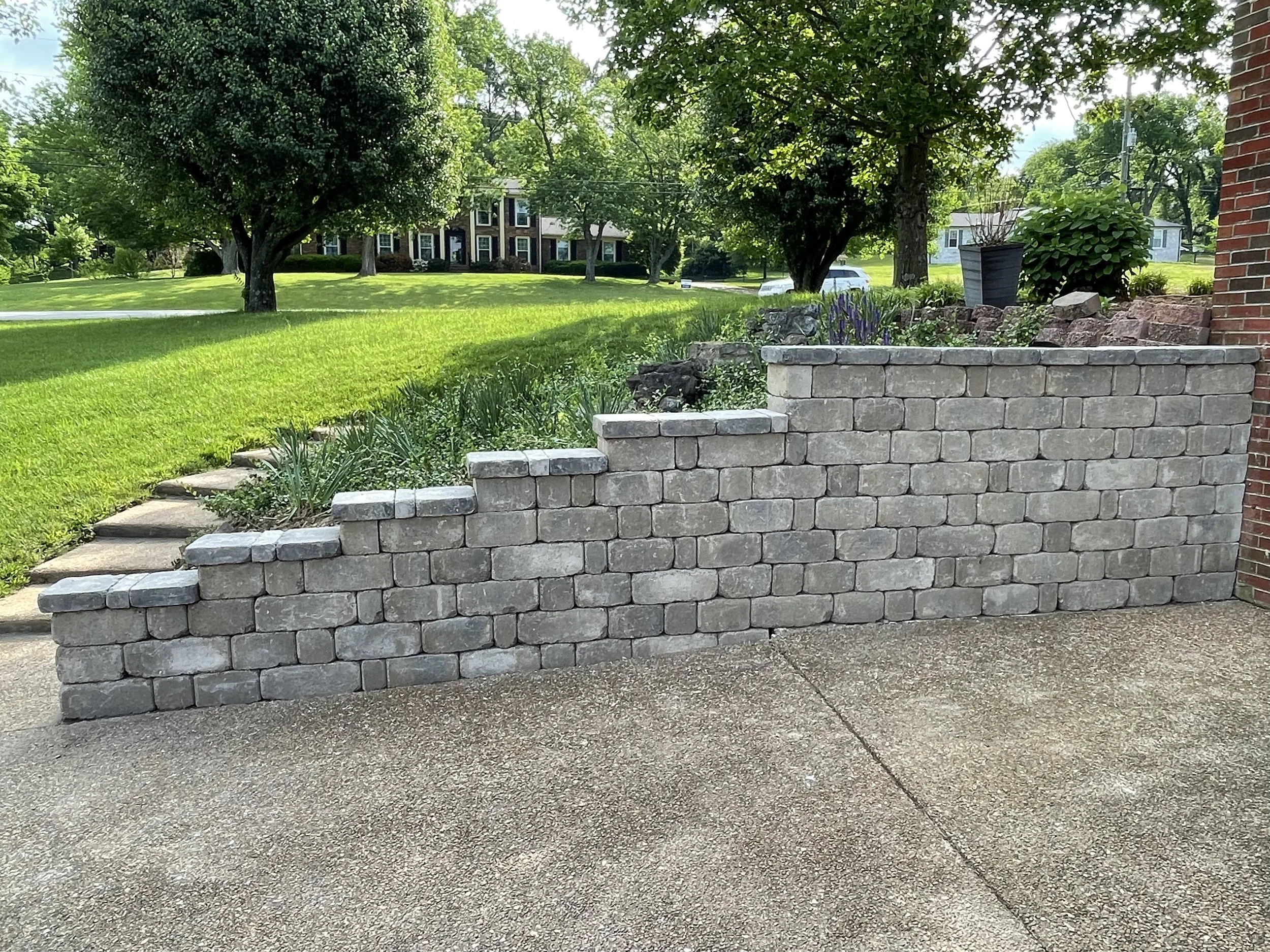
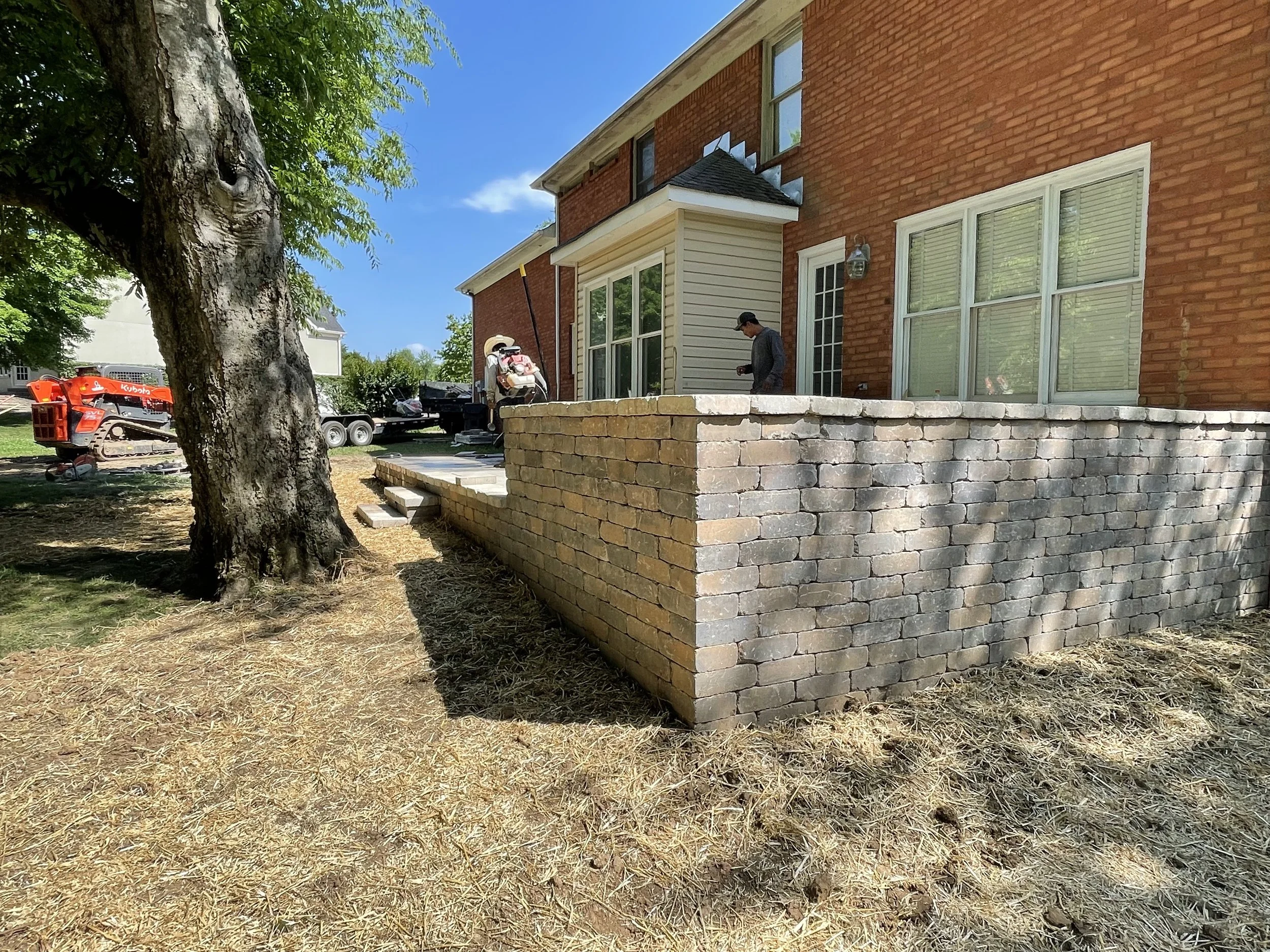
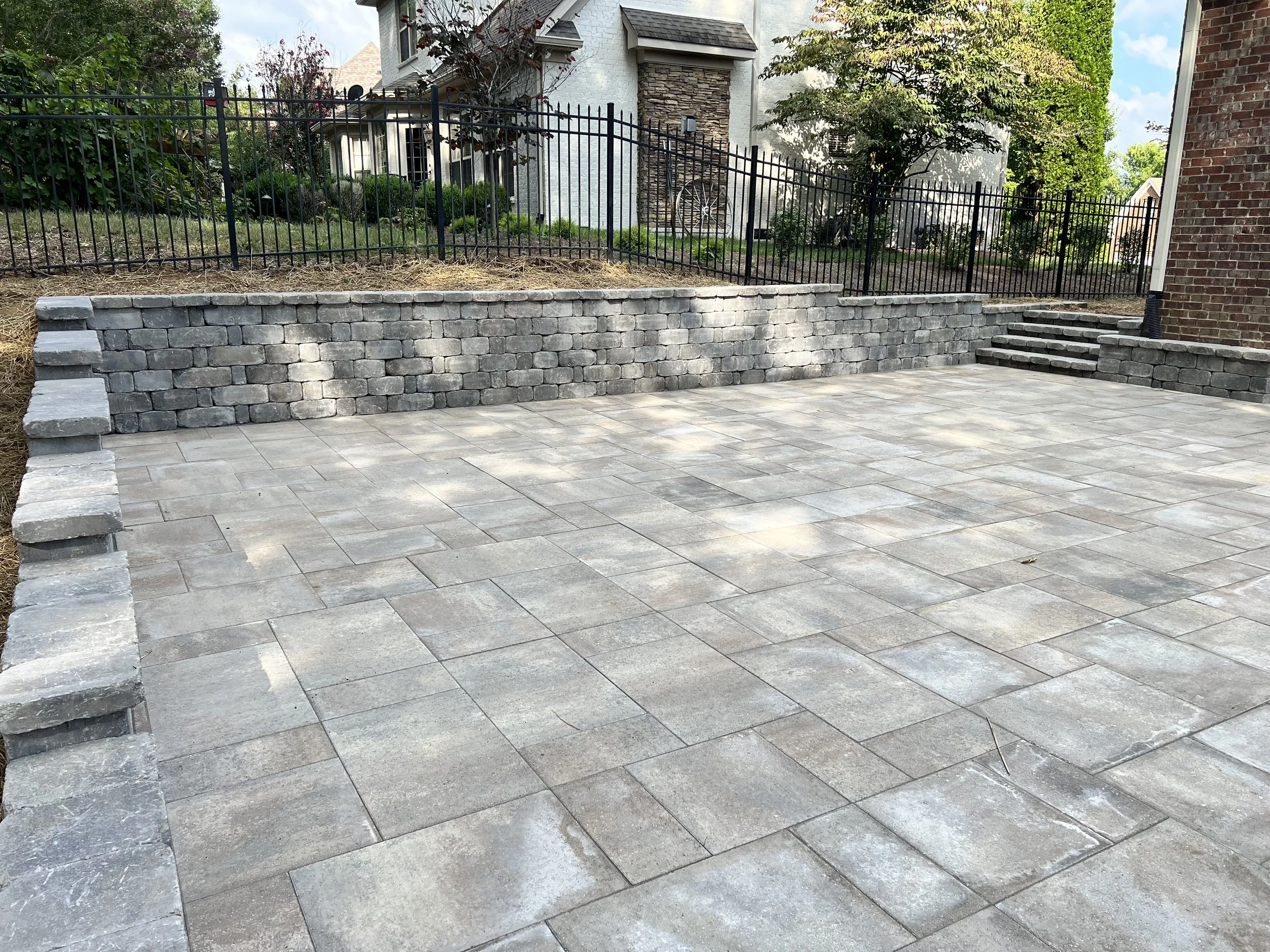
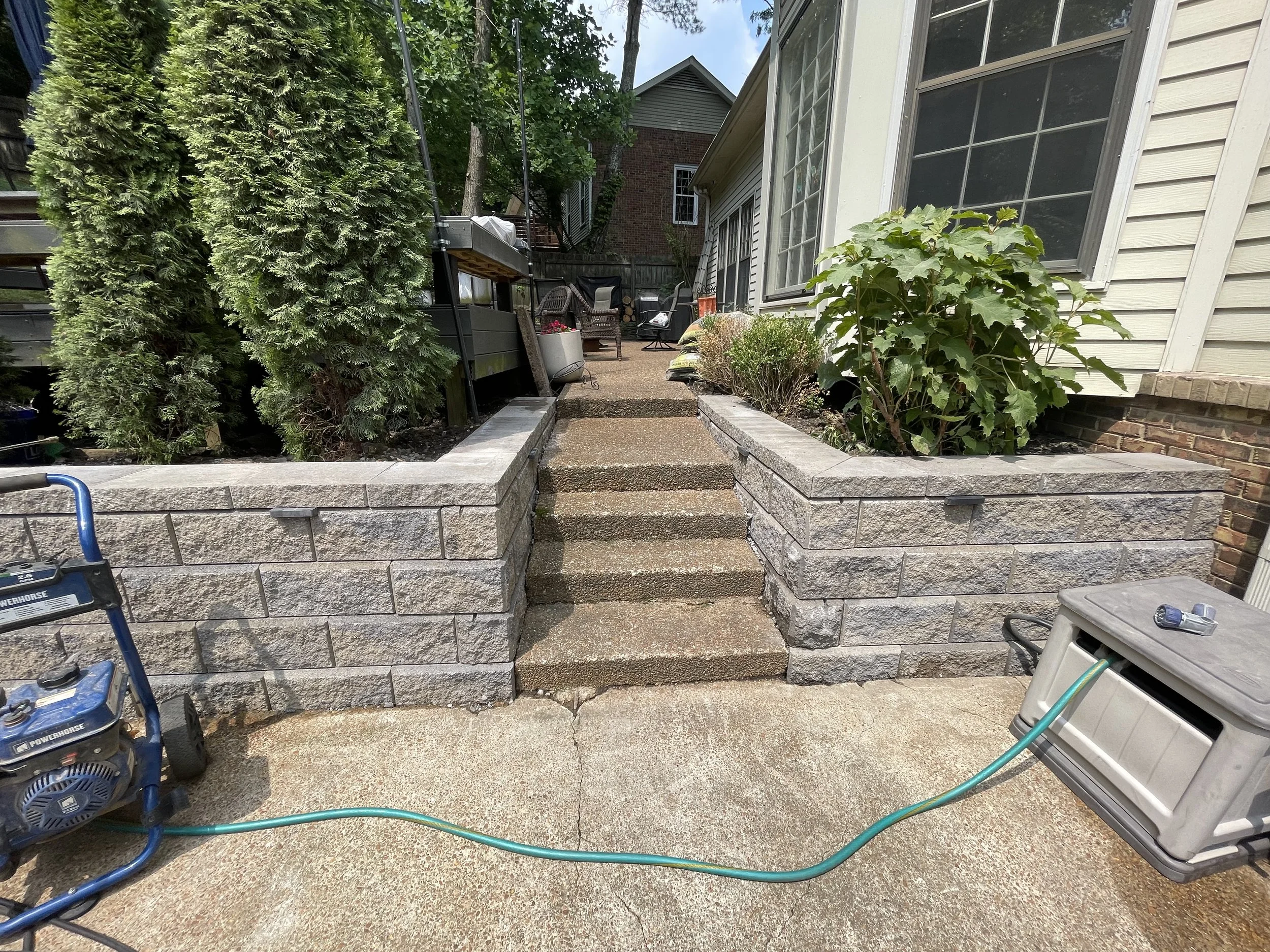
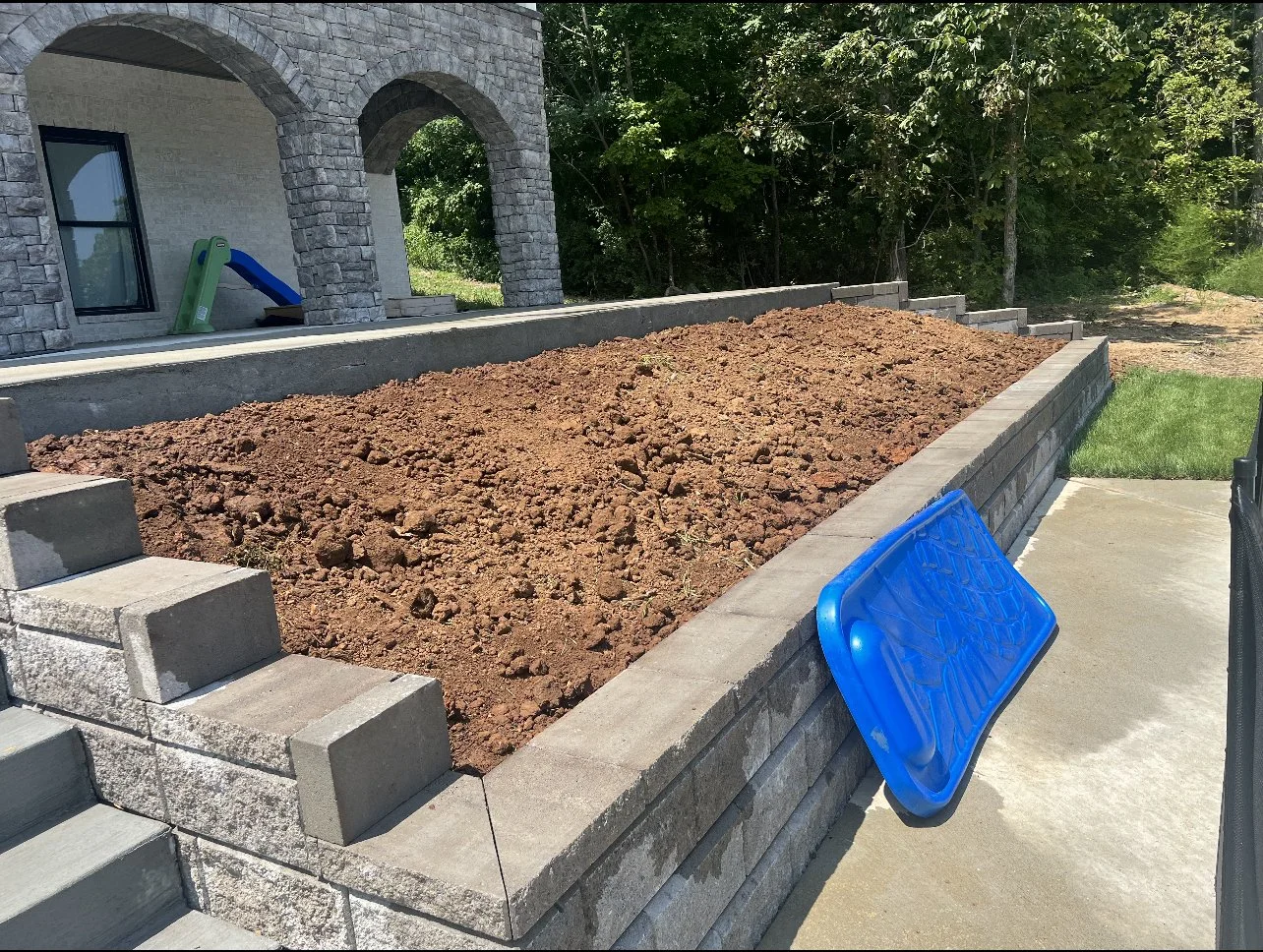
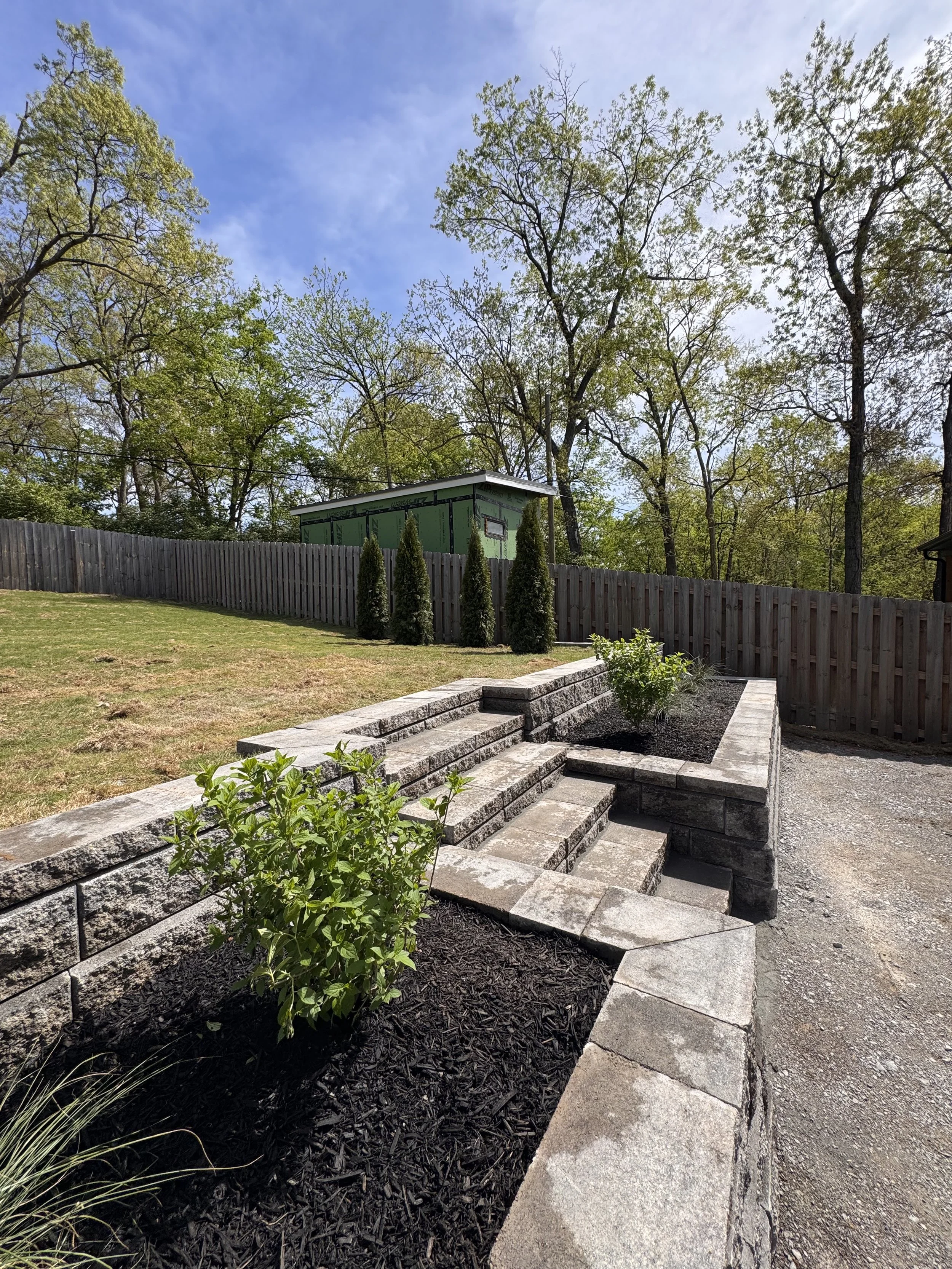
Most wall failures don't start at the surface, they start with skipped drainage, poor grading, or soil pressure nobody accounted for. We design every wall around those forces first, then build the wall around the design. That's the difference between a wall that holds for decades and one that needs to be redone in five years.


Common Questions
-
Retaining walls are primarily used to prevent soil erosion, manage sloped terrains, and create usable flat areas in yards. They can also enhance the aesthetic appeal of your landscape.
-
The list is extensive: gravity retaining walls, dry stacking, segmental, cantilever, sheet pile, gabion, boulder, masonry, terraced, seating and even built-in planter walls.
-
The lifespan of a retaining wall depends on the materials used and the quality of construction, but most walls can last between 50 to 100 years if built correctly with proper drainage.
-
It depends on the location and height of the wall. Most municipalities require permits for walls over a certain height, typically 4 feet. We will always check and comply with local building codes before starting construction.
-
Absolutely! Retaining walls can be constructed from various materials and styles to complement your existing landscape design and meet your functional needs.
-
Yes, besides providing structural support, retaining walls can be equipped with drainage systems to redirect water away from your property, helping to prevent flooding and soil erosion.
-
The timeline depends on the size and design of the wall. Most projects can be completed within a few days to a couple of weeks.
Let’s Get Started
No pressure, no pitch: just an honest look at your space and what's possible.
615-212-8862
-
OnSite Consult
Before a single number gets discussed, we come to your space. We walk it, we ask the questions that actually matter, and we listen.
-
The Proposal
Your proposal reflects real scope, real materials, and a real timeline. Not a number designed to win the job and renegotiate later. What you sign is what you get.
-
Start to Finish
The team that starts your project finishes it. No rotating crews, no strangers showing up mid-week. You know who's on your property and they show up every day until it's done.
-
Wrap-Up
Before we leave, we do a full walkthrough together. Our standard is simple — if we wouldn't build it for our own home, it doesn't leave our hands.